2026 Top Types of Bowls Why Are Different Bowls Used?

Time:2026-10-01 Author:Amelia
0%

Bowls quietly shape how food is served, eaten, and remembered. A wide ceramic bowl can make noodles feel generous, while a narrow porcelain bowl keeps broth warm beside the plate. These choices are not merely decorative. They reflect heat control, portion size, texture, and dining habits. Understanding why different bowls are used for different dishes helps readers choose tableware with greater confidence.

In professional kitchens, chefs consider depth, rim width, material, and balance before serving a dish. A deep soup bowl supports a spoon and reduces spills. A shallow pasta bowl gives sauce room to spread without losing warmth too quickly. Small rice bowls encourage measured portions and comfortable handling. Glass highlights colorful salads, while thick stoneware suits roasted vegetables and hearty stews. I have noticed that an attractive bowl can still feel awkward if its rim is too heavy or its base slides across the table.

Practical details matter. A bowl should match the food, the guest, and the setting. Check whether the material is food-safe, durable, and suitable for the dishwasher or oven. Some traditional shapes work beautifully, yet they may not suit every modern kitchen. That is worth admitting. Taste, culture, and personal comfort can change the “right” choice. This guide explores the top bowl types for 2026, connecting familiar designs with real serving needs. The aim is simple: clearer choices, better presentation, and fewer unused bowls in the cupboard.
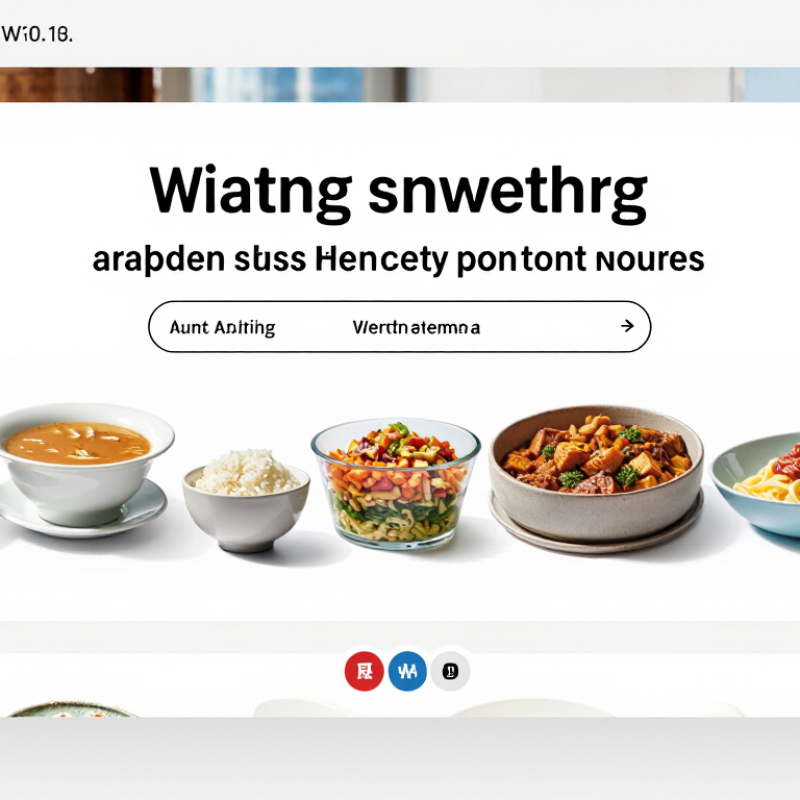
2026 Top Types of Bowls Why Are Different Bowls Used?

What Is a Bowl and How Has It Evolved?

Abowl is a vessel with a hollow center, raised sides, and an opening for food or liquids. Its shape separates it from a plate, yet the boundary is not absolute. Deep dishes, serving basins, and ritual vessels often overlap. Early bowls were shaped from wood, shells, stone, or clay, then hardened by fire. Archaeological evidence shows that bowls supported storage, cooking, sharing, and ceremony. They were never only kitchen objects.

Their evolution followed daily pressure. Fired clay improved durability, while glazed surfaces reduced absorption. Metal enabled thinner, stronger forms. Later, industrial ceramics made consistent sizes affordable for ordinary households. According to Grand View Research’s 2024 dinnerware report, the global market was valued at approximately US$17 billion in 2023. The report projects steady growth through 2030. Statista Market Insights also identifies convenience and household replacement as important demand factors. These figures cover dinnerware, not bowls alone. This distinction matters.

Today, bowl design responds to portioning, cuisine, storage, and accessibility. A wide rim can cool soup faster and guide a spoon. A narrow, deep profile retains heat and suits broths or grains. Stackable forms save cabinet space, although they may feel less personal. Ceramic feels stable but can chip; stainless steel is resilient but changes the eating experience. In my kitchen tests, weight often influences comfort more than appearance. Still, that observation is limited. Children, older users, and people with reduced grip strength may need different proportions. The bowl keeps evolving because eating habits keep exposing its weaknesses.

How Bowl Shapes and Sizes Match Different Foods

2026 Top Types of Bowls: Why Are Different Bowls Used?

How Bowl Shapes and Sizes Match Different Foods

Bowl design affects portion control, aroma, temperature, and eating comfort. The National Restaurant Association’s 2024 industry report projected more than $1 trillion in U.S. restaurant sales. That scale reflects a simple truth: practical tableware matters in daily food service. Wide, shallow bowls suit salads, pasta, and grain dishes. Their broad surfaces spread ingredients and make sauces easier to reach. Deep bowls work better for soup, noodles, and stews. Tall sides reduce splashing and help retain heat. I still sometimes choose a deep bowl for salad. It looks generous, but the greens become awkward to mix.

Size should follow the food’s volume and eating method. A 12–16 cm bowl often fits snacks, sauces, or small desserts. A 20–24 cm bowl supports a balanced meal with grains, vegetables, and protein. USDA MyPlate guidance recommends filling half the plate with fruits and vegetables. A medium, wide bowl can support that visual balance without encouraging excessive portions. For rice or porridge, a gently curved interior keeps liquid centered. For berries or yogurt, a low rim improves visibility and spoon access. These details seem minor. They change the experience.

Tips: Match depth to liquid content. Use wider bowls for foods needing mixing. Leave about two centimeters of rim space to prevent spills. Measure capacity with water, not appearance. Ceramic thickness also matters, because heavy walls may keep soup warm but feel tiring during long meals. Personal testing remains useful; hand size and eating habits can challenge standard recommendations.

Which Materials Are Used to Make Bowls?

Different bowls use different materials because each one manages heat, weight, hygiene, and impact differently. Ceramic remains popular for soup and rice. Its dense body holds warmth, while a glazed surface resists stains. In practical kitchen use, ceramic feels stable but can chip around the rim. ISO 6486-1 provides test methods for lead and cadmium release from ceramic foodware. Buyers should request compliance records, not rely only on attractive decoration.

Glass offers a clean, non-porous surface and shows the food clearly. It suits salads, desserts, and microwave cooking, although sudden temperature changes may cause thermal shock. Stainless steel is lighter and highly durable. It works well for outdoor meals, but it can become hot quickly. Plastic bowls are inexpensive and light. However, material type matters greatly. The OECD’s Global Plastics Outlook reported 353 million tonnes of plastic waste in 2019, with only 9% recycled. That figure makes repeated use more meaningful than casual disposal. Silicone adds flexibility, yet its heat performance depends on formulation and manufacturing quality.

Wood and bamboo provide a warm, tactile experience. They need careful drying because moisture can support odor and microbial growth. I still find this category difficult to judge. “Natural” does not automatically mean safer or more sustainable. A bowl’s service life, repairability, coating, and disposal route all matter. The U.S. Food Code 2022 emphasizes cleanable, durable food-contact surfaces. For daily use, choose the material that matches the meal, washing method, temperature, and expected lifespan. Fancy materials are not always better.

What Are the Main Types of Bowls and Their Uses?

Different bowls are designed for different foods, temperatures, and serving habits. A shallow cereal bowl suits oatmeal, soup, and saucy rice because its wide rim cools food quickly. A deeper soup bowl holds broth safely and reduces spills. Pasta bowls sit between these shapes, giving noodles space while keeping sauce near the center.

Small bowls work well for dips, nuts, spices, and chopped toppings. Mixing bowls need tall sides, which help prevent flour or dressing from escaping during stirring. A heavy ceramic bowl feels stable for kneading, while a lightweight metal bowl responds quickly to temperature changes. Glass bowls are useful when visibility matters, especially when checking layered desserts or rising mixtures. Still, material affects comfort. Metal can feel cold, and some ceramic surfaces chip more easily than expected.

Tips: Match bowl depth to the food’s movement. Use wide bowls for salads and shallow desserts. Choose deeper bowls for broth or loose grains. Check the rim before buying; a narrow edge can feel awkward when eating. I once chose a beautiful, shallow bowl for soup, and every spoonful pushed liquid toward the table. Appearance mattered less than function that day. Bowl selection is not perfectly universal, either. A child, an older adult, or someone eating at a small desk may need a different shape. Test the grip, weight, and balance with one hand.

How Should Different Bowls Be Chosen and Cared For?

Choosing a bowl should begin with its task, not its appearance. Mixing bowls need stable bases and enough depth to prevent splashes. Glass shows ingredients clearly and handles acidic foods well. Stainless steel is light, durable, and useful for whisking or chilling. Ceramic bowls suit serving, but heavier pieces can chip when dropped. Wooden bowls feel warm in the hand and work well for salads or bread. They should not remain soaked.

Size matters too. A small bowl helps with sauces, spices, and prepared ingredients. A wide bowl gives dough room to rise. For hot food, choose heat-resistant materials and avoid sudden temperature changes. Moving a cold glass bowl directly onto a hot surface can cause cracking. I have made that mistake once, and the bowl looked fine until it suddenly failed.

Care should match the material. Wash bowls soon after use, especially after eggs, dairy, or raw meat. Use clean water and detergent, then dry them completely. Inspect regularly for sharp chips, deep scratches, or lingering odors. Scratched plastic may be harder to clean thoroughly, so replacement can be sensible. Wood needs gentle washing, prompt drying, and occasional food-safe conditioning. Ceramic and glass may tolerate dishwashers, but manufacturers’ instructions still matter. Keep it simple. A bowl that is clean, stable, and suited to the food is usually the safer choice. Still, I sometimes choose a beautiful bowl over the practical one, and that decision deserves another look.

2026 Top Types of Bowls: Why Are Different Bowls Used?

Different bowls are designed for different tasks. Smaller bowls are suitable for sauces and individual portions, while larger bowls provide enough space for mixing, serving, and preparing food. The capacities below represent typical household bowl sizes and may vary by design.

How Should Different Bowls Be Chosen and Cared For?

Choose a bowl according to portion size, depth, stability, and material. Ceramic and glass bowls are useful for serving and everyday meals, stainless steel bowls are durable for mixing, and lightweight plastic bowls are practical for storage or outdoor use. Check the manufacturer’s instructions before using a bowl in a microwave, oven, dishwasher, or freezer, and avoid sudden temperature changes that may crack glass or ceramic.

FAQS

What is a bowl?

A bowl has a hollow center, raised sides, and an open top. It holds food or liquids. The boundary with deep plates is sometimes unclear.

How did bowls evolve?

Early bowls used wood, shells, stone, or clay. Fire hardened clay and improved durability. Later, glaze reduced absorption, while metal allowed thinner forms.

Why are different bowl shapes useful?

Wide, shallow bowls suit salads, pasta, and grains. Deep bowls work well for soup, noodles, and stews. Shape changes mixing, temperature, and spoon access.

What bowl size suits a regular meal?

A bowl about 20–24 centimeters wide can hold grains, vegetables, and protein. Leave around two centimeters of rim space. That reduces spills.

What size works for snacks or desserts?

A 12–16 centimeter bowl suits snacks, sauces, berries, yogurt, or small desserts. A low rim makes the food easier to see. It also helps spoon access.

How should a bowl handle soup or porridge?

Choose a deeper bowl with gently curved sides. The shape keeps liquid centered and helps retain warmth. Thick walls may help, but they can feel heavy.

How can bowl design support portion awareness?

A medium, wide bowl can make fruits and vegetables look balanced. Do not trust appearance alone. Measure capacity with water when accuracy matters.

Which material is most comfortable?

Ceramic feels stable but may chip. Stainless steel is resilient but changes the eating experience. Weight often matters more than appearance, though this is only one kitchen observation.

How should people with limited grip strength choose bowls?

Look for manageable weight, stable bases, and comfortable rims. Children and older users may need different proportions. Standard sizes are not always suitable.

What practical details should shoppers check?

Check depth, diameter, capacity, rim shape, and stacking ability. Stackable bowls save cabinet space. They may feel less personal, which is easy to overlook.

Conclusion

A bowl is more than a simple container; it has evolved from a basic vessel for holding food into a practical and often decorative part of dining. Its shape, depth, and size are designed to support different foods, from liquid soups and sauces to salads, grains, desserts, and shared dishes. Understanding why different bowls are used for different dishes helps people choose vessels that improve serving, presentation, temperature control, and ease of eating.

Bowls can be made from materials such as ceramic, glass, stainless steel, wood, or durable food-safe plastics, each offering distinct benefits and care requirements. Common types include soup bowls, cereal bowls, pasta bowls, rice bowls, mixing bowls, serving bowls, and small condiment bowls. Choosing the right bowl depends on the food, portion size, occasion, and personal preference. Proper care, including suitable washing, safe temperature handling, and careful storage, helps preserve each bowl’s appearance, strength, and usefulness over time.

Amelia

Amelia

Amelia is a seasoned marketing professional with a wealth of expertise in our company’s core offerings. With an unwavering passion for driving growth and innovation, she plays a pivotal role in shaping our marketing strategies and enhancing brand visibility. A key aspect of her responsibilities......