When considering materials for various applications, buyers often ask, "what is the difference between bamboo and wood boards?" This question holds significance, especially in a global marketplace that values sustainability and functionality. Bamboo is a rapidly renewable resource, known for its strength and flexibility. It can withstand moisture better than many traditional woods, making it ideal for certain environments.
On the other hand, wood boards have their own distinct advantages. They offer a classic aesthetic and are often perceived as more traditional and robust. Hardwoods like oak or maple provide durability that bamboo may not match in high-wear applications. Yet, the environmental impact of sourcing wood raises questions about sustainability.
As we assess these material differences, it's vital to consider their applications in products showcased at events like the upcoming Canton Fair in 2026. Buyers must weigh factors like certification, functionality, and environmental sustainability before making a choice. The evolving landscape of materials requires reflection on global sourcing habits. This dialogue allows us to understand better the implications of our choices in the marketplace.
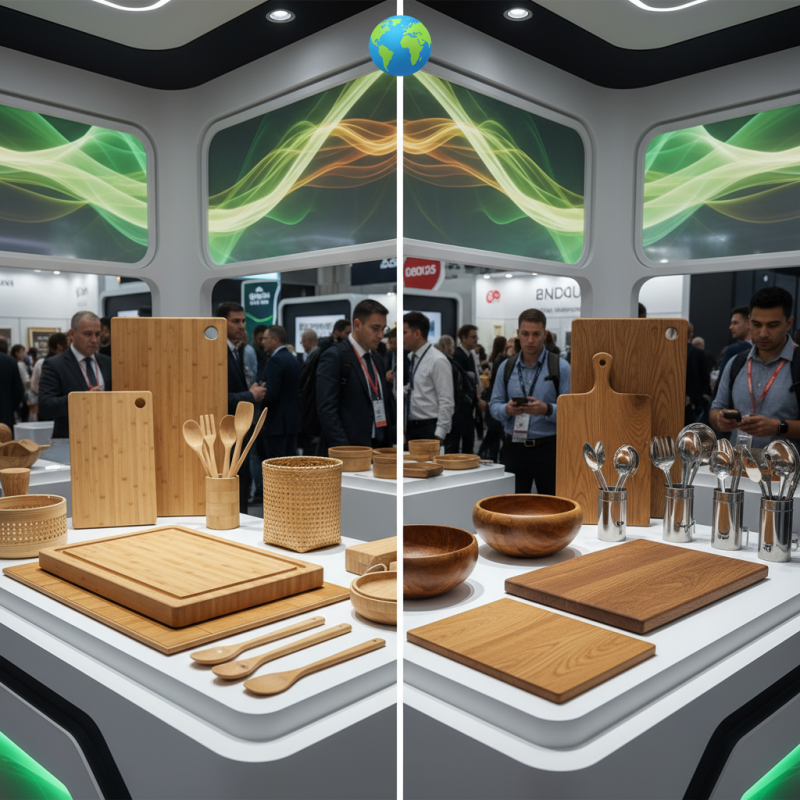
Understanding Bamboo and Wood: A Comparative Overview
Bamboo and wood boards offer unique characteristics and functionalities. When considering material for furniture, flooring, or crafts, it's essential to understand their differences. Bamboo is actually a grass, while wood comes from trees. This distinction affects strength, elasticity, and durability. Bamboo is known for its rapid growth. It can be harvested in three to five years, making it an eco-friendly choice. In contrast, many hardwoods take decades to mature.
Wood can provide a classic look with rich grains and textures. Each piece of wood tells a story, enhancing aesthetics. However, this beauty often comes with a higher price tag and environmental concerns related to deforestation. Some buyers find themselves questioning this choice. Meanwhile, bamboo presents a modern appearance, often with uniformity in color. While it is lightweight and easy to work with, bamboo’s softness can lead to scratches over time.
Both materials have their pros and cons. Buyers might prefer the sophisticated appeal of wood, but they may overlook the sustainability that bamboo offers. It’s essential to weigh these factors carefully. What looks good on paper may not always hold up in daily use. Balancing aesthetics with practicality can be a challenge when choosing between these two options.
Natural Properties of Bamboo vs. Traditional Wood
Bamboo and traditional wood boards possess unique natural properties that cater to different needs. Bamboo is a grass, not a tree, which makes it one of the fastest-growing plants. It can reach maturity in just 3-5 years, compared to 20-50 years for many hardwood trees. This rapid growth leads to a more sustainable resource, making bamboo eco-friendly.
Bamboo has a higher tensile strength than many hardwoods. According to a report by the Forest Products Laboratory, bamboo can withstand significant weight and stress, making it ideal for various applications. Traditional wood, while durable, is prone to warping and cracking over time, especially in fluctuating humidity. This could lead to issues in long-term projects where stability is crucial.
Tip: Consider the climate of your project location. Bamboo performs better in humid environments than traditional woods, which may require regular maintenance.
While bamboo is lightweight, it can be less resilient against pests. Many wood varieties come with natural protective qualities. This might lead you to reconsider bamboo for specific settings, particularly outdoors. Analyze the strengths and weaknesses before making a decision.
Comparison of Bamboo and Wood Boards
This chart illustrates the differences in key properties between bamboo and traditional wood boards. Bamboo demonstrates lower density and higher water absorption compared to wood, but it shows better flexibility and a higher sustainability index.
Durability and Strength: Bamboo and Wood Boards Explained
When considering bamboo and wood boards, the key factors are durability and strength. Bamboo, a grass, boasts impressive tensile strength. It can withstand heavy loads without warping easily. This makes it a preferred choice in many modern applications. On the other hand, traditional wood boards, like oak or maple, offer excellent stability. They have natural beauty but can be sensitive to moisture and temperature changes.
Tips for buyers: Choose bamboo for areas prone to moisture, like kitchens or bathrooms. It resists mold and water damage better than many wood options. However, consider the finish. Some bamboo products may scratch more easily. Wood, in contrast, can provide a warm aesthetic, but it may require more maintenance.
Another factor is sustainability. Bamboo grows quickly and can be harvested in three to five years. Many types of wood take decades to mature. Think about your environmental impact when making your choice. Bamboo might seem perfect, yet it has its downsides, such as limited availability in specific regions. Always weigh the pros and cons based on your project needs.
Sustainability Factors: Bamboo vs. Wood in the Environment
Bamboo and wood are two popular materials. Their sustainability factors differ significantly. Bamboo is a fast-growing grass. It can reach maturity in just three to five years. This rapid growth means it can be harvested frequently. Wood, on the other hand, takes decades to mature. According to the Forest Stewardship Council, sustainable forestry practices are crucial. However, large-scale logging can still lead to deforestation.
The environmental impact of bamboo is generally lower. For instance, bamboo absorbs more carbon dioxide. A report by the World Wildlife Fund states that bamboo can absorb up to 40% more CO2 than trees. Additionally, bamboo grows without the need for pesticides or fertilizers, reducing chemical runoff into waterways. Wood often requires such treatments. This can harm local ecosystems, especially in vulnerable areas.
Despite these benefits, bamboo products face challenges. The manufacturing process can involve chemical treatments. These chemicals may pose risks if not managed properly. Moreover, not all bamboo is sourced sustainably. Certification is essential to ensure responsible harvesting. Wood also has its advantages. It boasts durability and strength. Choosing between these materials requires careful consideration. The right choice depends on both environmental impact and intended use.
What is the Difference Between Bamboo and Wood Boards for Global Buyers? - Sustainability Factors: Bamboo vs. Wood in the Environment
| Factor |
Bamboo |
Wood |
| Growth Rate |
Fast (up to 3 feet/day) |
Slow (years to mature) |
| Sustainability |
Highly sustainable, renewable resource |
Dependent on forest management practices |
| Carbon Footprint |
Low, absorbs CO2 rapidly |
Higher, involves deforestation |
| Durability |
Moderately durable, needs treatment |
Highly durable, long lifespan |
| Maintenance |
Requires specific care to avoid damage |
Generally easy to maintain |
| Cost |
Often less expensive |
Can be more costly depending on type |
Cost Considerations for Bamboo and Wood Boards Purchases
When considering bamboo and wood boards, cost plays a crucial role. According to a 2022 report by the Forest Products Society, bamboo boards can be 25-30% less expensive than high-quality hardwoods. The initial savings can be significant, especially for large-scale projects.
However, the long-term perspective is vital. Bamboo is a fast-growing resource, making it more sustainable. In contrast, some hardwoods take decades to mature. This growth cycle can impact future availability and pricing. Buyers should consider not just the upfront cost but also the sustainability of their choices. Balancing immediate savings with future value is key.
**Tip:** Always compare local prices for bamboo and wood. Costs can vary based on location and supplier.
You might also find that while bamboo boards may save money initially, they could require more maintenance. Wood, if properly cared for, can last longer. This aspect can affect overall spending over time.
**Tip:** Factor in maintenance costs. A cheaper board may not be the best investment in the long run.
Conclusion
This article explores "what is the difference between bamboo and wood boards," providing a comprehensive overview for global buyers. The natural properties of bamboo and traditional wood are first examined, highlighting aspects such as growth rates, texture, and moisture resistance. The discussion then delves into the durability and strength of bamboo versus wood boards, emphasizing bamboo's surprising resilience and strength compared to many wood types.
Additionally, the sustainability factors of bamboo as a rapidly renewable resource are contrasted with the environmental impact of traditional wood sourcing. Finally, cost considerations are addressed, outlining the economic implications of purchasing bamboo versus wood boards. This comparison serves to guide buyers in making informed choices based on their specific needs and values regarding environmental sustainability and resource efficiency.

 Auroch Kitchen