Choosing china plates for formal dining involves more than matching a tablecloth or selecting the highest price. The right set should balance elegance, durability, comfort, and practical care. If you are wondering how to choose plates suitable for formal dining, begin with the meal itself. A twelve-inch dinner plate may frame roasted meat beautifully, while a smaller plate can suit a refined tasting menu. Consider the rim, too. A narrow gold edge looks polished, but it may reduce usable serving space.
Material also matters. Bone china offers a thin, luminous appearance and surprising strength, while porcelain often provides a crisp, dependable finish for frequent entertaining. In my experience, plates with slightly raised rims are easier to carry and help prevent sauces from reaching the tablecloth. However, no material is perfect. Some delicate decorations demand hand washing, and replacement pieces may be difficult to find years later. Check the manufacturer’s care instructions, production standards, and food-contact safety information before buying. Reliable retailers should provide clear specifications rather than vague claims about luxury.
Think about the whole setting. A white plate can make green herbs and roasted vegetables look vivid under warm dining-room light. A heavily patterned design may compete with the food. Avoid choosing only from photographs; colors and proportions often appear different in person. Test one plate in your cabinet and dishwasher first. That small step can expose awkward stacking or unexpected weight. Formal dining rewards consistency, but personal use still matters. The “perfect” china set may not exist, and that is worth admitting before spending heavily. A thoughtful choice should look distinguished, feel stable, and remain useful after the celebration ends.
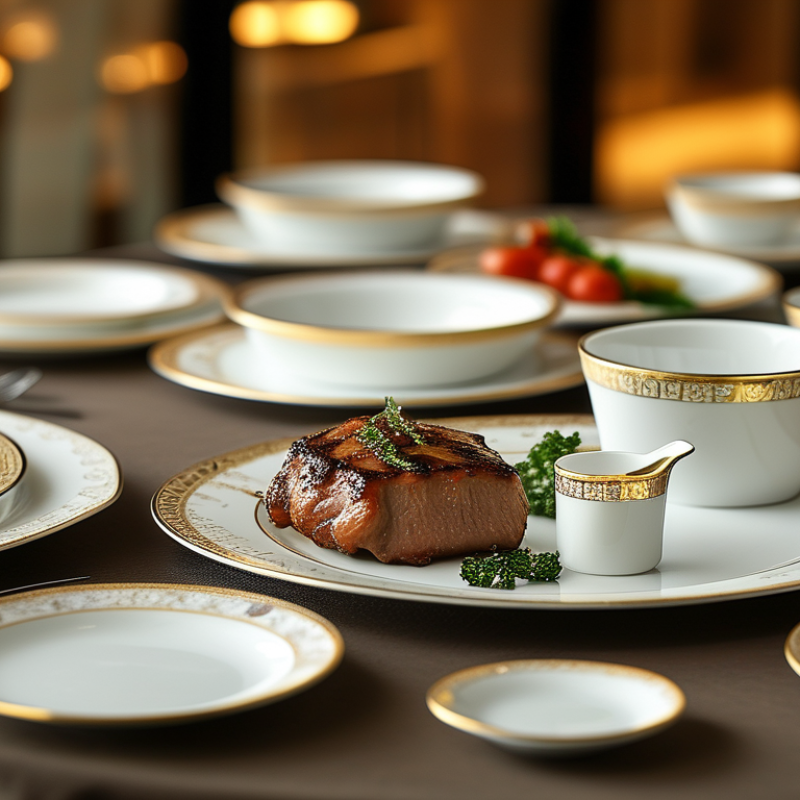
China plates do more than hold food during formal dining. They establish visual balance, signal care, and protect the meal’s presentation. In my experience, a well-chosen plate makes even simple roasted vegetables look deliberate. Its role is both practical and ceremonial.
Look for a stable shape, a smooth glaze, and enough room around each serving. A wide rim frames sauces without making the portion appear small. Neutral colors usually support varied menus, while deep tones can emphasize pale foods. Check the plate under bright light. Small surface irregularities may become more noticeable at a formal table, though a handmade appearance can also add character. That distinction requires judgment.
Tips: Match plate size to the course, not the table alone. Test the weight with one hand. Heavy plates may feel luxurious, but guests should lift them comfortably. Use a dinner plate near 10 to 12 inches wide, depending on your menu and place settings. Confirm dishwasher and oven guidance before buying. I once chose attractive plates with narrow rims, then struggled to arrange food neatly. The lesson was useful: elegance must serve movement, comfort, and reliable performance.
For formal dining, compare material before color or pattern. Bone china feels light, smooth, and slightly translucent against a window. It offers excellent strength when properly fired, but its thin rim may still chip after careless stacking. Porcelain is usually denser and more resistant to stains, making it a dependable choice for frequent entertaining. It also creates a clean, refined table setting. Stoneware feels heavier and warmer in the hand. It handles everyday use well, although its rustic surface may look less formal. Earthenware can provide attractive detail at a lower cost, but it is more porous and often less durable.
Quality appears in small details. Check whether the plate sits flat on a table. A loose or uneven base can make serving awkward. Run a finger around the rim. It should feel smooth, without sharp glaze bumps or tiny cracks. Hold several plates together and inspect their weight. Noticeable differences may suggest inconsistent production.
I once chose a beautiful set with delicate edges. That was a mistake. Several rims chipped during normal stacking.
Durability also depends on care. Look for clear guidance about dishwasher and microwave use. Sudden temperature changes can stress even strong porcelain. Avoid moving a cold plate directly into a very hot oven. Glaze quality matters too. A glossy, evenly covered surface resists food stains better than a rough finish. Ask about firing temperature and replacement availability. A plate can be elegant, but difficult maintenance may reduce its practical value. Minor imperfections are acceptable when they do not affect stability, hygiene, or safe handling.
Formal dining begins with proportion, not decoration. For a standard place setting, choose a dinner plate about 10 to 11 inches wide. This size holds a main course without crowding the table. Use a salad or dessert plate around 7 to 8 inches. A smaller bread plate, usually 6 inches, keeps crumbs away from table linens. I have found that oversized plates look elegant in a showroom but feel awkward on narrow tables. Measure your table first.
Round plates remain the safest choice for formal service. Their balanced shape makes arranging food easier and suits most table settings. Square or softly angled plates add visual interest, but sharp corners may interrupt close seating. Coupe plates have no raised rim and suit modern presentations. Rimmed plates work better for sauces, soups, and delicate foods. A charger can frame the setting, though it is usually decorative rather than essential. Choose plates that serve your menu, not only your cabinet.
Before buying a complete set, hold one plate in your hand. Check its weight, edge comfort, and stability. Stack several pieces to see whether they wobble or take excessive storage space. Inspect the glaze under natural light; uneven spots can become more noticeable during service. Dishwasher and oven guidance also matters, even for occasional dinners. I sometimes underestimate storage, especially with wide chargers. A beautiful set is less useful when it barely fits the cupboard.
Choosing china plates for formal dining starts with visual balance, not price or decoration. In my table-setting experience, ivory plates soften dark wood, while bright white makes silverware look sharper. Test colors under the room’s evening lighting. A plate that looks warm in daylight may appear yellow beside white linens. Keep the main plate quiet when the centerpiece is colorful. This leaves space for food and conversation. Too much matching can feel staged.
Patterns need the right scale for the table. Fine botanical lines suit a restrained, traditional setting, while bold geometric designs work better with simple glassware and plain napkins. Small details matter. Less can be richer. Use a patterned dinner plate with solid side plates to create rhythm without visual noise. I once paired several strong patterns because they looked elegant in a sample photo. Under real dining-room lights, the table felt crowded. That mistake changed how I judge coordination.
Your table-setting style should guide the final choice. For a classic arrangement, choose symmetrical plates, folded linen napkins, and polished metal cutlery. A relaxed formal setting can use softly contrasting colors and an uneven floral arrangement. Check each plate for consistent color, smooth glaze, and a stable foot ring before buying a full set. These details affect both appearance and daily handling. I still prefer a slight handmade variation sometimes, although it can make replacement pieces difficult to match.
Choosing china plates for formal dining requires more than comparing patterns and prices. Care requirements often determine their real value. According to Grand View Research’s 2024 ceramic tableware analysis, the global market was valued at approximately USD 10 billion in 2023. This growth reflects demand for durable, reusable dining products, but quality still varies widely.
Check the manufacturer’s care instructions before buying. Plates marked dishwasher-safe can reduce labor during large dinners. Gold or platinum details usually require handwashing, softer sponges, and lower water temperatures. Avoid sudden thermal changes. A plate taken from a cold cupboard should not go directly into a very hot oven. It may survive once, but repeated stress can create fine cracks. I learned this after placing chilled plates beneath hot food. That was careless.
Budget for the complete set, not only the purchase price. Include replacement pieces, storage racks, detergent, and handwashing time. The U.S. Bureau of Labor Statistics reported that household spending on food away from home remained substantial in 2023, showing how often dining occasions compete for household budgets. For long-term value, compare the cost per use. A USD 20 plate used 100 times costs 20 cents per occasion. A cheaper plate that chips after ten uses costs more in practice. The 2023 Ellen MacArthur Foundation reuse research also emphasizes repeated use as a key factor in reducing material impacts. Buy a few extra dinner plates, but not an oversized service. Storage space is part of the price.
: Choose colors according to the room’s lighting. Ivory plates soften dark wood. Bright white sharpens silverware. Test them at night. Daylight can mislead you.
Use a quiet main plate when flowers or decorations are vivid. This keeps attention on the food and conversation. Too much matching feels staged.
Match pattern size with the table’s simplicity. Fine botanical lines suit traditional settings. Bold geometric designs need plain napkins and simple glassware. Less can be richer.
Yes, but limit the strongest pattern to the dinner plate. Pair it with solid side plates. I once combined several bold designs. Real dining-room light made the table feel crowded.
Classic settings suit symmetrical plates, folded linen napkins, and polished metal cutlery. Relaxed formal settings allow gentle color contrast. An uneven floral arrangement can feel more natural.
Inspect every plate for consistent color, a smooth glaze, and a stable foot ring. These details affect appearance and handling. Slight handmade variation can add character. Replacement matching may become difficult.
Check whether the plates are dishwasher-safe. Decorative metallic details often need handwashing and soft sponges. Avoid sudden temperature changes. Cold plates should not meet very hot food.
Include replacement pieces, storage racks, detergent, and washing time. Compare cost per use, not only the shelf price. A twenty-dollar plate used 100 times costs twenty cents per occasion. Storage space is part of the price.
Keep a few extra dinner plates for breakage or larger meals. Avoid buying an oversized service without enough storage. I tend to buy too many sometimes. That is not always practical.
Choosing the right china plates can transform formal dining into a polished and welcoming experience. To understand how to choose plates suitable for formal dining, begin by considering their role in the table setting, from serving main courses to supporting a coordinated sequence of dishes. Compare materials for strength, weight, finish, and resistance to chips or stains, while selecting sizes and shapes that balance practicality with visual elegance. Essential options may include dinner plates, salad plates, bread plates, and specialty pieces suited to the menu.
Color and pattern should complement the dining room, table linens, glassware, and overall setting style without overwhelming the presentation. It is also important to evaluate care requirements, including washing, storage, and resistance to frequent use. Finally, compare the purchase price with durability and versatility. A well-chosen plate collection should provide dependable performance, timeless appeal, and long-term value for formal occasions.

Auroch Kitchen