What Is Ceramic Tableware and Why Do Restaurants Prefer It?

Time:2026-09-11 Author:Aria
0%

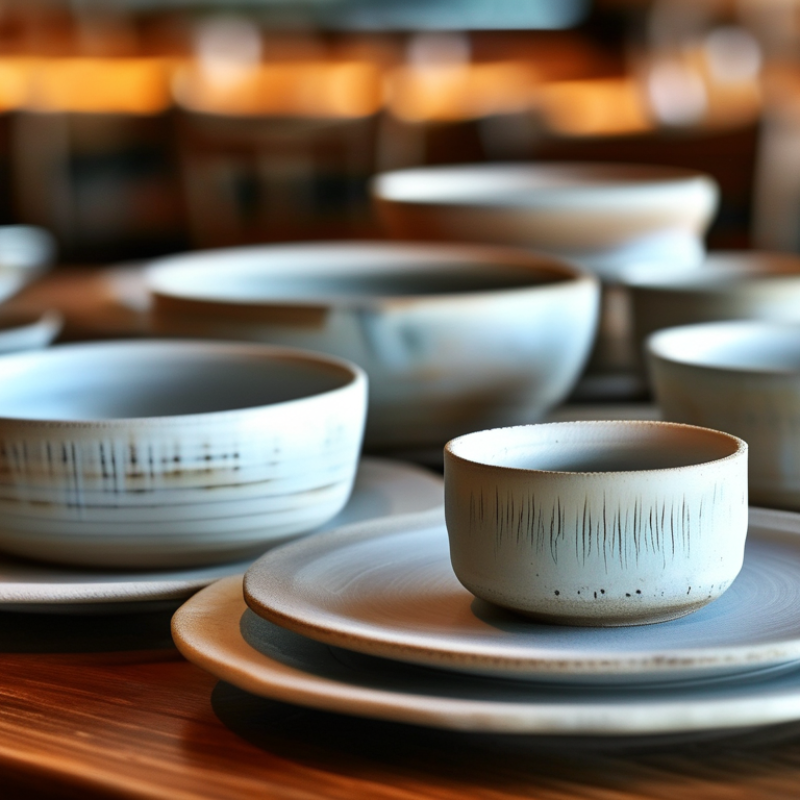
Ceramic tableware is made from shaped clay fired at high temperatures, then finished with a glaze or natural surface. It includes plates, bowls, cups, and serving dishes. In a busy restaurant, the material must do more than look attractive. It must survive repeated washing, hot food, quick service, and constant handling.

The question of why ceramic tableware is preferred in restaurants often begins with presentation. A warm white plate can sharpen the color of roasted carrots, while a matte bowl can make soup appear more substantial. Ceramic also retains heat reasonably well, helping dishes arrive at the table with a comfortable temperature. Chef and restaurateur Thomas Keller has said, “A recipe has no soul. You, as the cook, must bring soul to the recipe.” His principle supports the role of tableware: the plate should strengthen the dish without stealing attention.

There are practical reasons, too. Quality ceramic pieces are stable, easy to clean, and available in many shapes. Their weight can make a table feel considered rather than disposable. They also fit different restaurant identities, from handmade rustic cafés to polished hotel dining rooms. Not perfect, though. Ceramic can chip, crack, and become expensive when replacement is frequent. Some glazed surfaces show knife marks or discoloration over time. Restaurants must compare durability, price, storage space, and washing methods before choosing a collection. The best option is rarely the most beautiful piece alone. It is the one that performs quietly through hundreds of meals. That balance explains the continuing preference for ceramic tableware in professional dining.
What Is Ceramic Tableware and Why Do Restaurants Prefer It?

What Is Ceramic Tableware?

Ceramic tableware is dinnerware made from clay-based materials, shaped and fired at high temperatures. It includes earthenware, stoneware, and porcelain. Their density and strength differ. During firing, minerals bond into a hard, non-metal surface. A glaze can add color, smoothness, and resistance to stains.

In restaurant kitchens, plates often face heat, moisture, scraping, and repeated washing. Stoneware usually feels heavier and more rustic. Porcelain is typically denser, thinner, and more refined. Neither material is indestructible. A dropped plate can chip, while sudden temperature changes may cause cracking. I have found that small rim chips become more visible under bright dining-room lighting.

Ceramic also supports practical service. Its surface does not easily retain food odors, and glazed pieces are simple to wipe clean. The U.S. Food and Drug Administration provides guidance for ceramicware that may contact food, especially concerning lead and cadmium in glazes.

Purchasing teams should request compliance documents, not rely only on appearance. According to Fortune Business Insights’ 2024 report, the global tableware market reached approximately 42.52 billion dollars in 2023. The report covers several materials, so it does not represent ceramic sales alone. Grand View Research also identifies durability and hospitality demand as important market factors.

Classification remains imperfect. A plate can look elegant yet perform poorly in a busy service. Testing matters more than decoration.

How Ceramic Tableware Is Made

What Is Ceramic Tableware and Why Do Restaurants Prefer It?

Ceramic tableware begins with carefully measured clay, feldspar, and silica. Manufacturers blend these minerals with water until the body reaches a workable consistency. The mixture is then pressed, cast, or shaped on a wheel. Each method affects thickness, weight, and final strength. Small changes matter.

After forming, the pieces dry slowly in controlled rooms. Trapped moisture can cause cracks during firing. Once dry, workers apply glaze by dipping, spraying, or pouring. Glaze creates the smooth surface that resists stains and supports safer daily cleaning. The ware then enters a kiln, often above 1,000°C. According to the European Commission’s Ceramic Manufacturing BREF, firing energy can range from about 3 to 40 gigajoules per tonne, depending on the product and kiln system.

Quality checks follow. Technicians inspect warping, pinholes, edge damage, and glaze consistency. Water absorption testing, described in ASTM C373, helps identify how densely the ceramic body matured. Lower absorption usually supports better resistance to moisture and staining. Yet “durable” is not absolute. Repeated thermal shock, metal utensils, and careless stacking can still damage tableware. That detail is easy to overlook. Restaurants prefer ceramic because it combines heat retention, cleanability, and a stable serving surface. The manufacturing process explains why, but it also shows where weakness begins.

Key Types and Materials of Ceramic Tableware

What Is Ceramic Tableware and Why Do Restaurants Prefer It?

Ceramic tableware is made from clay, minerals, and water, then hardened in a kiln. Its main types include earthenware, stoneware, and porcelain. Earthenware has a warm, porous body and suits casual dining. Stoneware is denser and better for busy service. Porcelain is fired at higher temperatures, creating a smooth, refined, and less porous surface. Bone china adds bone ash, making it lighter and more translucent, but often less practical for rough handling.

Material choice affects more than appearance. Stoneware holds heat well beside a sizzling entrée, while porcelain creates clean edges for fine plating. According to Grand View Research, foodservice remains a major application within the global ceramic tableware market. The National Restaurant Association’s 2024 report also projected U.S. restaurant sales above one trillion dollars, showing why durable serviceware matters at scale. However, “durable” is not absolute. Sudden temperature changes, hidden chips, and repeated stacking can still cause breakage.

Tips: Match the body to service pressure. Choose vitrified stoneware for heavy daily use, porcelain for precise presentation, and glazed earthenware for slower service. Check thermal-shock guidance from the manufacturer. A beautiful plate may fail when moved directly from a hot kitchen to a cold washing area. Test a small batch first.

Why Restaurants Prefer Ceramic Tableware

Ceramic tableware is made from shaped clay that is fired at high temperatures. A glazed surface gives it color, smoothness, and protection. In restaurants, its appeal goes beyond appearance. Plates help frame food clearly, from a bright salad to a carefully arranged dessert. Guests often notice the table before tasting the meal.

Restaurants prefer ceramic tableware because it offers a practical balance between presentation and daily use. It holds heat reasonably well, so warm dishes stay inviting during service. Its weight also feels stable on a busy table. That matters. Staff can carry plates with more confidence, while guests may perceive the meal as more substantial. Ceramic pieces are also available in many shapes and sizes, allowing kitchens to match tableware with different menus.

In my experience, good ceramic tableware must withstand repeated washing, stacking, and handling. A well-made glaze can resist stains, but careless use may still cause scratches or small chips. Ceramic is not always the easiest choice. It can be heavier than other materials, and sudden temperature changes may damage some pieces. Restaurant managers should test samples in real service conditions before buying large quantities. They should check rim strength, dishwasher performance, stacking space, and replacement availability. A beautiful plate that slows staff or breaks easily becomes an expensive mistake. Practicality remains essential.

How Restaurants Choose and Maintain Ceramic Tableware

Ceramic tableware is made from fired clay, often with a glazed surface that resists moisture and food stains. Restaurants prefer it because it feels substantial, photographs well, and holds heat better than many lightweight alternatives. Yet appearance alone should not guide purchasing. In busy service, a beautiful plate can become a costly weakness.

Restaurant teams usually compare weight, rim strength, glaze quality, stacking space, and replacement cost. A slightly heavier plate may reduce sliding on crowded tables, but it can increase handling fatigue. The National Restaurant Association’s 2024 State of the Restaurant Industry report identified recruiting and retaining employees as a leading challenge for 77% of operators. Practical design matters when every server carries several plates. Kitchens should also check whether the ceramic is rated for commercial dishwashers and repeated thermal changes. Hairline cracks are easy to miss. They still deserve attention.

Tips: Keep plates in dry, stable stacks. Avoid moving hot ceramics onto cold metal surfaces. Use neutral detergents and inspect rims under bright light each shift. Do not scrape glaze with metal tools. Replace pieces showing cracks, sharp chips, or discoloration. A simple breakage log can reveal careless stacking, overloaded racks, or unsuitable sizes. I would also test a small batch before a full order. My first choice is not always the best one. A plate that looks elegant during a photo shoot may feel awkward during a crowded dinner service. Monitor real use for two weeks, then adjust the selection.

FAQS

: What is ceramic tableware made from?

: It usually contains clay, feldspar, silica, and water. These materials form a workable mixture. Small mineral changes affect thickness and strength.

How is ceramic tableware shaped?

Manufacturers press, cast, or wheel-shape the mixture. Each method creates different weights and wall thicknesses. The pieces then dry slowly before firing.

Why is slow drying important?

Trapped moisture can create cracks inside the kiln. Controlled drying reduces this risk. Rushing the process can ruin an otherwise good piece.

What does glaze do?

Glaze creates a smooth surface. It helps resist stains and supports easier cleaning. It also adds color and visual consistency.

How hot is ceramic tableware fired?

Many pieces are fired above 1,000°C. Firing hardens the body and develops its final strength. Kiln settings vary by material and product design.

What are the main ceramic tableware types?

Earthenware is warmer and more porous. Stoneware is denser and suits busy service. Porcelain is smoother, refined, and less porous.

Which ceramic type is best for busy restaurants?

Vitrified stoneware often handles frequent use well. Porcelain supports precise plating and clean edges. Test a small batch first.

Why do restaurants prefer ceramic tableware?

Ceramic holds heat reasonably well and gives food a stable serving surface. Its weight can make a table feel more substantial. Guests notice presentation.

Can ceramic tableware break from temperature changes?

Yes. Sudden changes can cause thermal shock. Moving a hot plate into a cold washing area may damage it.

How should restaurants check ceramic quality?

Inspect rims, glaze coverage, pinholes, warping, and hidden chips. Check dishwasher performance and stacking space. A beautiful plate can still be a poor purchase.

Conclusion

Ceramic tableware is made from natural mineral-based materials that are shaped, dried, and fired at high temperatures to create durable plates, bowls, cups, and serving pieces. Its composition and firing process determine qualities such as strength, texture, color, heat resistance, and porosity. Common types include earthenware, stoneware, and porcelain, each offering different levels of durability, weight, and appearance for various dining settings.

The reason why ceramic tableware is preferred in restaurants is its balance of practicality and presentation. It can complement many cuisines, retain heat well, and provide a refined surface for plating. Restaurants choose pieces according to durability, size, stacking efficiency, design, and budget. Proper maintenance, including careful washing, avoiding sudden temperature changes, and checking for chips or cracks, helps extend service life. With suitable selection and regular care, ceramic tableware supports an attractive, consistent, and efficient dining experience.

Aria

Aria

Aria is a dedicated marketing professional with a deep passion for innovative strategies and a keen understanding of our company's product offerings. With a wealth of experience in the industry, Aria excels at crafting engaging content that highlights the unique features and benefits of our......